Loud noises, such as thunderstorms, fireworks, or even household appliances, can be terrifying for dogs. Many dogs experience anxiety, fear, or stress when exposed to sudden or loud sounds, which can lead to destructive behavior, excessive barking, or attempts to escape. Desensitizing your dog to loud noises is a gradual process that requires patience, consistency, and positive reinforcement.

Loud noises, such as thunderstorms, fireworks, or even household appliances, can be terrifying for dogs. Many dogs experience anxiety, fear, or stress when exposed to sudden or loud sounds, which can lead to destructive behavior, excessive barking, or attempts to escape. Desensitizing your dog to loud noises is a gradual process that requires patience, consistency, and positive reinforcement.
1. Understanding Noise Anxiety in Dogs
Why Dogs Fear Loud Noises
Dogs have sensitive hearing, which makes them more susceptible to loud or sudden sounds. Noise anxiety can stem from a lack of early exposure, a traumatic experience, or genetic predisposition.
Common Signs of Noise Anxiety
- Trembling or shaking
- Panting or drooling
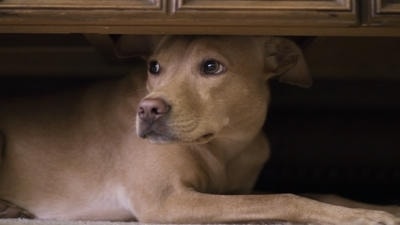
- Hiding or seeking comfort
- Destructive behavior (e.g., chewing or digging)
- Attempts to escape or run away
- Excessive barking or whining
2. The Importance of Desensitization

What Is Desensitization?
Desensitization is a training technique that involves gradually exposing your dog to the source of their fear in a controlled and positive way. The goal is to reduce their anxiety over time by helping them associate the noise with something pleasant.
Benefits of Desensitization
- Reduces fear and anxiety
- Builds confidence in your dog
- Prevents destructive behavior
- Strengthens the bond between you and your pet
3. Preparation for Desensitization Training
Create a Safe Space
Designate a quiet, comfortable area where your dog can retreat during loud noises. This could be a crate, a specific room, or a cozy corner with their favorite toys and blankets.
Gather Tools and Resources
- Recordings of loud noises (e.g., fireworks, thunderstorms)
- High-value treats (e.g., cheese, chicken, or peanut butter)
- A clicker or marker word (e.g., "yes" or "good")
- Calming aids (e.g., pheromone diffusers, calming wraps)
Consult Your Veterinarian
If your dog’s noise anxiety is severe, consult your veterinarian before starting desensitization. They may recommend additional support, such as anti-anxiety medication or professional training.
4. Step-by-Step Desensitization Techniques
Step 1: Gradual Exposure
Start by playing recordings of the noise at a very low volume. The sound should be barely audible to your dog. Pair the noise with something positive, such as treats, playtime, or affection.
Step 2: Reward Calm Behavior
If your dog remains calm, reward them with treats and praise. If they show signs of anxiety, lower the volume or stop the sound and try again later.
Step 3: Gradually Increase the Volume
Over time, slowly increase the volume of the noise as your dog becomes more comfortable. Continue to reward calm behavior and provide reassurance.
Step 4: Add Real-Life Scenarios
Once your dog is comfortable with the recordings, expose them to real-life loud noises in a controlled environment. For example, start with distant fireworks or a soft thunderstorm.
Step 5: Practice Regularly
Consistency is key. Practice desensitization regularly in short sessions (5-10 minutes) to reinforce positive associations.
5. Additional Techniques for Managing Noise Anxiety
Counterconditioning
Pair loud noises with something your dog loves, such as treats or playtime. This helps create a positive association with the sound.
Distraction
Engage your dog in activities they enjoy during loud noises, such as playing with a favorite toy or practicing obedience commands.
Calming Products
- ThunderShirts: These snug-fitting wraps provide gentle pressure to help calm anxious dogs.
- Pheromone Diffusers: Products like Adaptil mimic calming pheromones to reduce anxiety.
- Calming Treats: Natural supplements containing ingredients like chamomile or melatonin can help soothe your dog.
Behavioral Training
Work with a professional dog trainer or behaviorist to address underlying anxiety and develop a tailored desensitization plan.
6. Tips for Handling Specific Noises

Fireworks
- Keep your dog indoors and close the curtains to reduce noise and flashes.
- Play calming music or white noise to mask the sound of fireworks.
- Stay with your dog to provide reassurance during the event.
Thunderstorms
- Create a cozy den or safe space for your dog to retreat to during storms.
- Use a white noise machine to drown out the sound of thunder.
- Avoid comforting your dog excessively, as this can reinforce fearful behavior.
Household Noises (e.g., Vacuum Cleaners, Blenders)
- Turn on the appliance at a low level and reward your dog for calm behavior.
- Gradually increase the noise level over time as your dog becomes more comfortable.
- Associate the noise with positive experiences, such as treats or playtime.
7. Long-Term Strategies for Maintaining Calmness
Socialization
Expose your dog to a variety of sounds, people, and environments during their early development to build confidence and reduce anxiety.
Regular Exercise
Physical activity helps reduce stress and anxiety in dogs. Ensure your dog gets plenty of exercise through walks, playtime, or interactive games.
Mental Stimulation
Provide your dog with puzzles, treat-dispensing toys, or training sessions to keep their mind engaged and prevent boredom.
Routine and Structure
Establish a consistent daily routine to help your dog feel secure and reduce stress.
8. Common Mistakes to Avoid
Forcing Exposure
Exposing your dog to loud noises too quickly can worsen their anxiety. Always proceed at a pace that is comfortable for your dog.
Punishing Fear
Scolding or punishing your dog for fearful behavior can increase their anxiety and damage your bond. Instead, focus on positive reinforcement.
Relying Solely on Medication
While medication can be helpful, it should not replace desensitization training. A combination of both is often the most effective approach.
9. Success Stories: Real-Life Examples
Case Study: Bella the Beagle
Bella was terrified of thunderstorms and would hide under the bed whenever it rained. Her owner started desensitization training by playing recorded thunder sounds at a low volume and rewarding Bella with treats. Over several weeks, Bella became more comfortable with the noise and no longer hides during storms.
Case Study: Max the Labrador
Max would bark excessively at the sound of fireworks. His owner used counterconditioning by pairing fireworks noises with playtime and high-value treats. Max now associates fireworks with fun and remains calm during celebrations.
Conclusion
Desensitizing your dog to loud noises is a gradual process that requires patience, consistency, and positive reinforcement. By following the techniques outlined in this guide, you can help your dog feel more comfortable and confident in the face of loud or sudden sounds. Remember to start slowly, reward calm behavior, and provide a safe space for your dog to retreat to when needed. With time and effort, you can transform your anxious canine into a calm and resilient companion.